How Creative Strategy Shapes Perception and Brand Identity

.svg)

.svg)



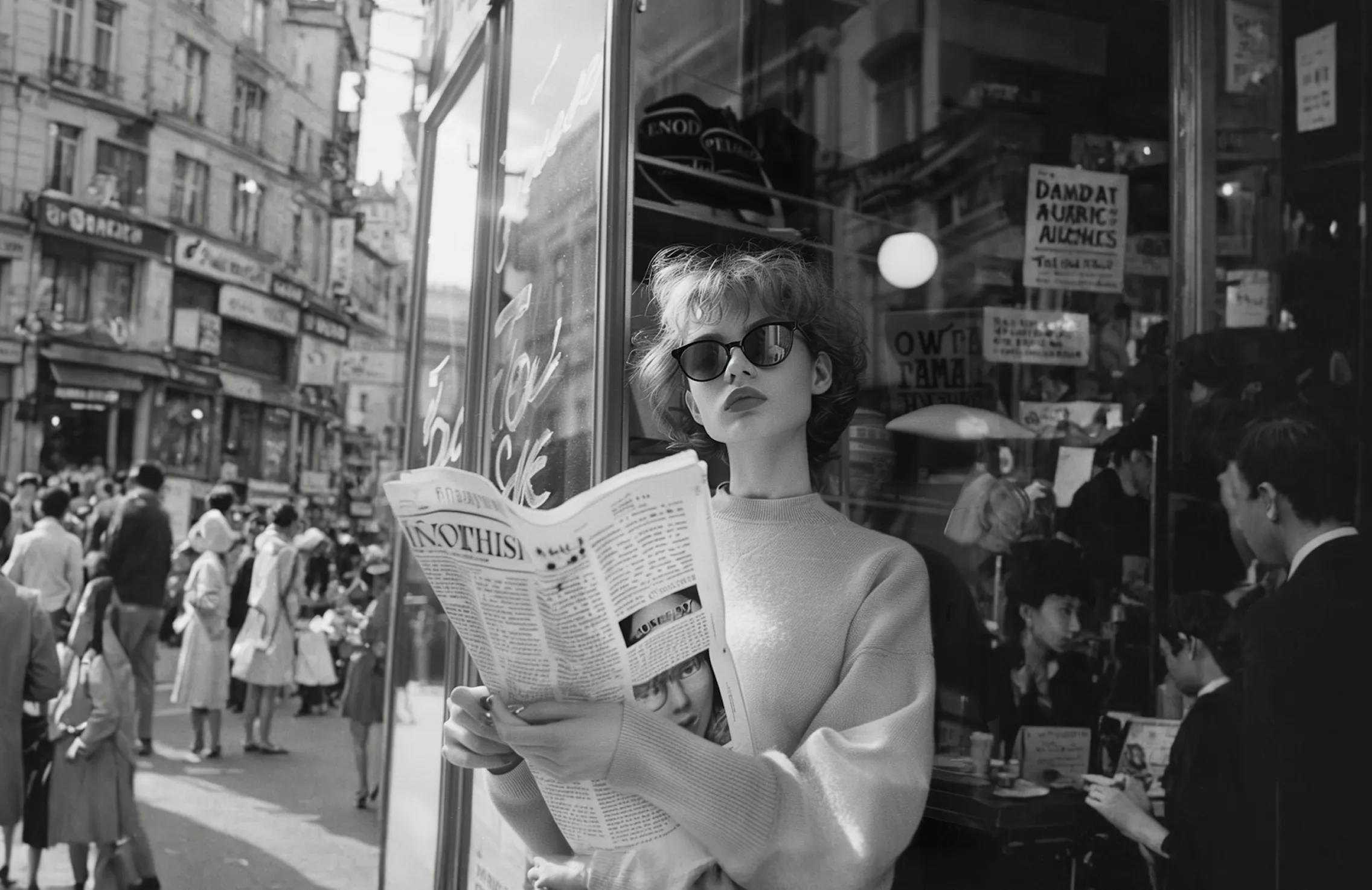
A dramatic shot can spark a scroll-stopping moment, but resonance comes from a purpose-driven creative strategy. Photography that stands the test of time prioritizes composition, light, and story over fleeting filters. When every frame is guided by intent, images stay powerful long after visual trends fade.
Memorable photography is rooted in a deep understanding of the story a brand wants to tell. By focusing on genuine moments, natural light, and authentic subjects, photographers create images that feel relevant regardless of changing platforms or formats.
Consistency and a defined visual style are essential to long-term brand recognition. A well-planned shot list, considered color grading, and repeatable framing let a photography library grow without losing coherence. Direction ensures every new shoot strengthens the brand.

Light as a Storytelling Principle
As feeds become more crowded, intentional light becomes increasingly valuable. Considered exposure, thoughtful shadow, and purposeful color grading reduce visual noise and hold attention longer. Restraint, applied with intention, keeps a body of work recognizable over time.
Aligning Photography with Brand Strategy
Powerful photography is never captured in isolation from the brand. It results from close alignment between the creative director, the brand story, and the shoot plan. When strategy guides every frame, a library stays cohesive, scalable, and true to the brand.

.svg)
Related POSTS